
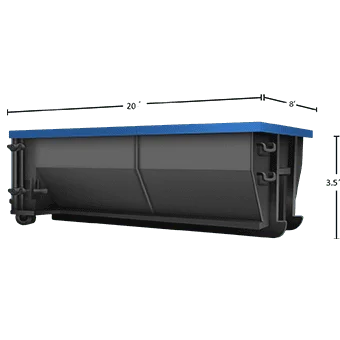
Ask about the load, not just the container label
Explain whether the material is light and bulky, dense, mixed or still partly unknown. Ask for the proposed container’s actual loading instructions, material restrictions and weight-related terms. Do not estimate an allowable weight from unused space.
Tell everyone loading the container which materials are accepted and where uncertain items must wait. Do not compact, burn or alter the load to force more material inside. Ask the provider before making a material change.
Leave collection workable at the end
The truck needs a usable approach when the container leaves, not only when it arrives. Review parked vehicles, gates, overhead constraints and any work that will change the ground around it. The provider should assess the actual conditions and explain what must remain clear.
Arrange collection explicitly and report an obstructed approach before the visit. Do not load above the confirmed limit or leave projecting items on the assumption that a driver will sort them out. Container availability and a collection date require confirmation for the site.
Questions before you book
Does empty space mean I can add more heavy debris?
No. Confirm weight and material limits independently of the remaining volume.
Can collection happen if vehicles block the approach?
Do not assume so. Maintain the agreed access and report any change before collection.